


What is Norovirus? 12 Sep, 2024
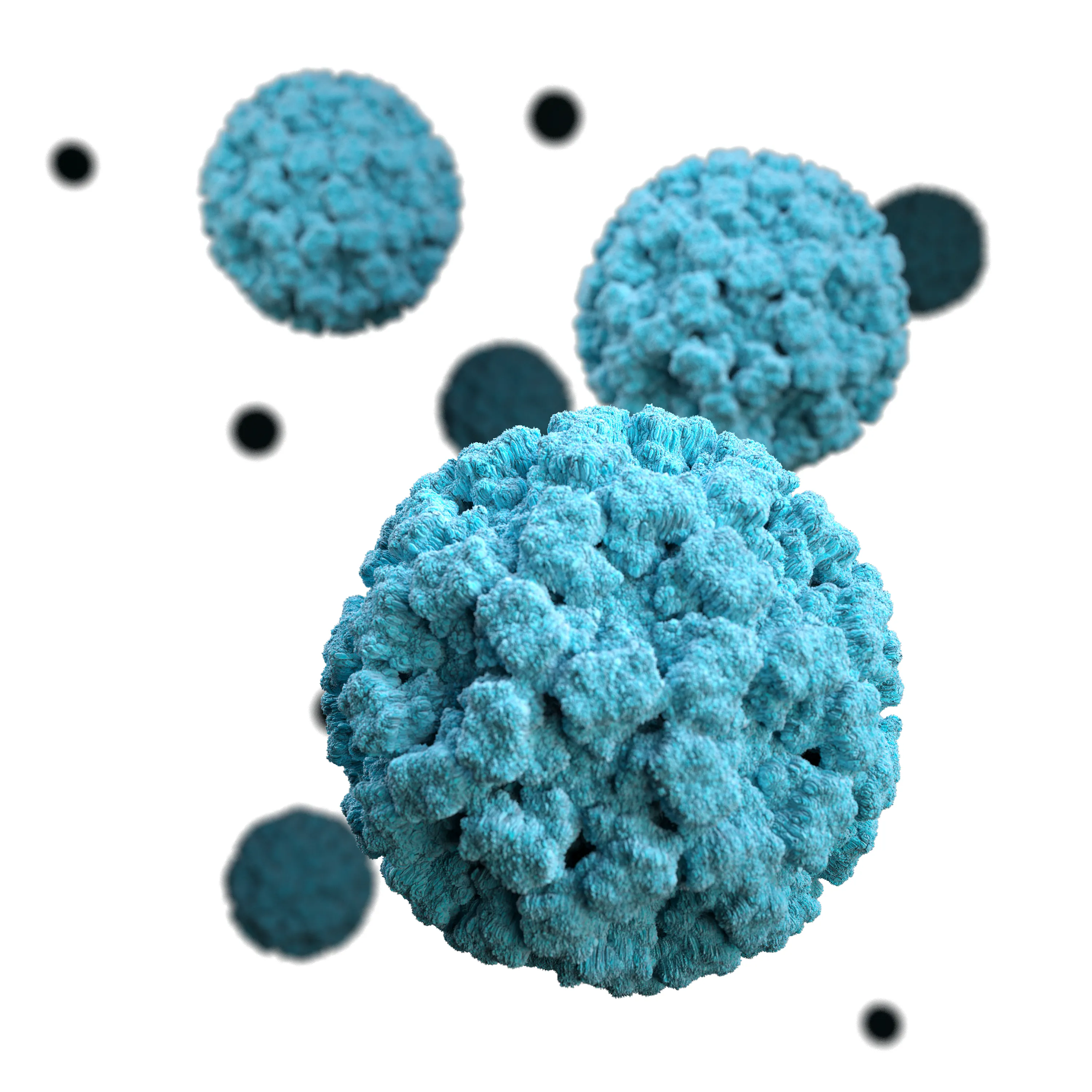
Norovirus is a highly contagious virus that primarily affects the digestive system. This virus manifests itself with symptoms such as sudden onset of vomiting and diarrhea. It is considered one of the most common viruses affecting the gastrointestinal system worldwide. Norovirus is often referred to as the "stomach flu" among the public, but it has nothing to do with the influenza virus.
Symptoms of Norovirus Infection
Norovirus infection causes symptoms that usually start suddenly and are quite unpleasant. These symptoms include:
- Vomiting: The most common symptom.
- Diarrhea: Severe, watery diarrhea may occur.
- Abdominal pain: Severe cramp-like abdominal pain may occur.
- Nausea: Feeling nauseous may occur before or during vomiting.
- Weakness: A general feeling of weakness and exhaustion may be experienced in the body.
- Muscle pain: Some people may also experience muscle pain.
- Headache: Mild or moderate headaches may occur.
- Fever: A low-grade fever may occur, but not always.
How is Norovirus Transmitted?
Norovirus is highly contagious and can be transmitted in a number of ways:
- Person-to-person contact: Close contact with an infected person, especially through hands-to-mouth contact, carries a high risk of transmission.
- Contaminated surfaces: The virus can survive for a long time on surfaces touched by an infected person (toilet, door handles, tables, etc.) and can be transmitted by touching these surfaces.
- Contaminated food and water: It can be transmitted through food prepared by an infected person or through contact with contaminated water.
- Airborne transmission: In some cases, it can be transmitted by inhaling virus particles that are spread into the air when an infected person vomits or has diarrhea.
Norovirus Treatment
There is no specific antiviral treatment for norovirus. Treatment is generally aimed at relieving symptoms.
- Preventing dehydration: The body loses fluids due to vomiting and diarrhea. Therefore, it is important to consume plenty of water and fluids containing electrolytes.
- Rest: Adequate rest is necessary for the body to heal itself.
- Medications to relieve symptoms: Your doctor may recommend medications to relieve symptoms such as nausea and diarrhea.
Prevention
To prevent norovirus infection, it is important to take the following precautions:
- Wash your hands often with soap: Wash your hands thoroughly, especially after using the toilet, before preparing food, and after contact with a sick person.
- Clean surfaces: Frequently clean and disinfect surfaces that could be infected with the virus.
- Consume cooked foods: Consume foods that are cooked thoroughly.
- Stay away from sick people: Avoid close contact with an infected person.
- Vaccine: There is no effective vaccine against norovirus yet.
When Should You See a Doctor?
- If you are dehydrated due to severe vomiting and diarrhea.
- If you have a high fever.
- If your symptoms do not go away within a few days.
- If you have a chronic disease or a weak immune system.
Summary
Norovirus is a highly contagious virus that usually causes symptoms such as vomiting and diarrhea. Treatment is usually supportive, but it is important to pay attention to personal hygiene for prevention.
Note: This article is for general information purposes only and is not a substitute for medical advice. Please consult your doctor regarding any health issues you may have.